Cervical Discectomy and Fixation

Cervical Discectomy and Fixation: Techniques, Benefits, and Patient Care

Cervical discectomy and fixation is a surgical procedure that removes a damaged intervertebral disc and stabilises the adjacent vertebrae, relieving pressure on spinal nerves and improving spinal stability.

This article will discuss the indications, techniques, benefits, potential risks, various interbody cage and graft options, patient experience, and postoperative care for this procedure.

Indications for Cervical Discectomy and Fixation

Cervical discectomy and fixation may be indicated for patients experiencing neck pain, radiculopathy (nerve root compression), or myelopathy (spinal cord compression) due to degenerative disc disease, herniated discs, spinal stenosis, or cervical spondylosis.

This procedure is typically recommended when conservative treatments, such as medication, physical therapy, or epidural steroid injections, have failed to provide adequate relief.

Technique of Cervical Discectomy and Fixation:

The procedure is performed under general anaesthesia, and the patient is positioned supine on the operating table. The main steps of cervical discectomy and fixation include:

Interbody Cage and Graft Options:

Several types of interbody cages and graft materials are available for cervical discectomy and fixation:

Risks and Complications:

As with any surgical procedure, cervical discectomy and fixation carries potential risks, including Infection, Bleeding, Nerve injury, Graft failure or non-union, and Adjacent segment degeneration.

Patient Experience and Postoperative Care:

Patients can expect to experience some pain and discomfort following the procedure, which can be managed with pain medications.

Most patients are encouraged to begin walking and participate in gentle activities within a day or two after surgery. A neck brace may be recommended for a short period to provide support and limit motion.

Physical therapy is often prescribed to help patients regain strength, flexibility, and range of motion. Patients are advised to avoid heavy lifting and strenuous activities for several weeks.

It is important to follow the surgeon's specific postoperative instructions and attend all scheduled follow-up appointments to monitor the healing process and ensure successful fusion.

Cervical discectomy and fixation has evolved as a safe and effective treatment option for patients suffering from various cervical spine conditions. The procedure offers significant benefits, including reduced neurological symptoms, improved spinal stability and the potential for effective neck pain relief.

With the advancement in interbody cage and graft options, fusion success rates have further increased.
 

Lumbar Decompression and Dynamic Stabilisation with Coflex Interspinous Implant

Lumbar Decompression with Dynamic Stabilization Using Coflex: A Stable Solution without the Downsides of Lumbar Fixation

Lumbar decompression with dynamic stabilisation using Coflex offers an innovative solution for patients suffering from spinal stenosis or degenerative disc disease.

This procedure provides segmental stability while avoiding the drawbacks associated with lumbar fixation. This article will discuss the indications, techniques, benefits, and risks of this procedure, as well as the current evidence supporting its utility.

Indications

Coflex dynamic stabilisation is indicated for patients with spinal stenosis or degenerative disc disease who have not responded to conservative treatments, such as physical therapy, medications, or epidural injections.

This procedure is particularly suitable for patients who require stability but wish to preserve motion and avoid the potential complications associated with traditional lumbar fusion.

Technique

The procedure begins with a standard lumbar decompression, wherein the surgeon removes bone and soft tissue, compressing the spinal nerves.

Following decompression, the Coflex device, an interlaminar stabilisation implant, is inserted between the spinous processes of the affected vertebrae. The device maintains the decompressed space while preserving the segment's motion and providing dynamic stability.

Benefits

Risks

As with any surgical procedure, there are potential risks associated with lumbar decompression and Coflex dynamic stabilisation.

These may include fluid collection infection, bleeding, nerve damage, or implant-related complications. However, the overall risk profile is generally considered lower than that of traditional lumbar fusion.

Evidence Supporting Coflex Dynamic Stabilization

Several studies have demonstrated the utility of Coflex dynamic stabilisation in treating spinal stenosis and degenerative disc disease. 

Lumbar decompression with dynamic stabilisation using Coflex offers an effective and less invasive alternative to traditional lumbar fusion for patients with spinal stenosis or degenerative disc disease. 

By preserving motion and providing dynamic stability, this procedure avoids the potential complications associated with lumbar fixation while delivering significant improvements in pain and function. 

With the growing body of evidence supporting its utility, Coflex dynamic stabilisation is set to become an increasingly popular option for patients seeking relief from debilitating spinal conditions.

References:

  1. Davis, R. et al. (2012). Two-year outcomes of the Coflex interlaminar stabilisation after decompression for lumbar spinal stenosis: A randomised controlled trial. Spine Journal, 12(9), S62.
  2. Chen, Y. et al. (2015). Coflex interspinous dynamic device versus fusion for lumbar degenerative diseases: A meta-analysis. European Spine Journal, 24(5), 1015-1026.

Fractures of the Thoracic and Lumbar Spine

Fractures of the thoracic and Lumbar spine are characterised by their mechanism of injury and severity. Numerous classification systems exist.

Some include the presence or otherwise of neurological injury and soft tissue injury.

The more severe the patient's overall injury, the greater the likelihood of injury to other organ systems and the need for emergency care.

Thoracic and Lumbar spine Fracture can result in significant spinal cord or nerve injury.

Types of Fracture:

Suspected spinal injury patients are investigated with X-ray, CT and, when stable, MRI scanning to characterise these injuries fully.

Cervical (Neck) Fractures

Your cervical spine consists of the seven vertebrae (bones) that comprise the uppermost part of your spine, located in the neck region. A cervical spine fracture means that one of these vertebrae has been broken.

This kind of injury can range from mild to severe and, in some cases, lead to varying degrees of neurological injury and paralysis.

Causes

Symptoms

Diagnosis

Typically, X-rays, CT scans, and MRI scans are used to diagnose cervical spine fractures. These imaging studies provide detailed views of the bones and surrounding tissues, helping to determine the nature and severity of the injury.

Treatment

Treatment depends on the type and severity of the fracture:

Prevention

While not all injuries can be avoided, some steps to reduce your risk include:

Cervical spine fractures can be life-altering, so it's essential to understand their causes, symptoms, and treatments. By being informed, you can take preventive steps and seek timely care if needed. 

Always consult a healthcare professional if you've sustained any neck injury.

Cervical Radiculopathy & Cervical Disc Herniation

Radiating Neurological Arm Pain

Cervical radiculopathy is the typical symptom of radiating arm pain, weakness and sensory disturbance due to the compression of nerve root(s) in the cervical spine.

The cervical nerve roots primarily subserve sensations in your arms and hands, resulting in symptoms perceived in the distribution of the nerves rather than solely at the site of the nerve compression in the neck. A few patients will describe severe arm pain and numbness with little or no pain in the neck.

The intervertebral discs are comprised of a leathery outer layer termed the annulus fibrosus and a softer jelly-like central component termed the nucleus pulposus. The slowly progressive and age-related degenerative processes result in the gradual mechanical deterioration of both. The central nucleus polposus slowly loses its ability to hold onto water, becomes increasingly dehydrated, and reduces in volume and height. Fissures can appear within its substance.

The outer annulus, made up of sheets of fibres in varying orientations, is, in health, extremely strong and able to contain the nucleus even when placed under significant pressure. With time, however, the fibres of the annulus deteriorate and can become incompetent—stretching or tearing of the fibres can allow the central nuclear material to herniate out of position.

Cervical Disc Herniation can then press on the cervical nerve roots, resulting in symptoms of pain, weakness, and sensory disturbance in the shoulders and arms, which can even radiate to the hand.

Furthermore, the herniated disc may compress the spinal cord, causing spinal cord dysfunction and neurological symptoms and signs in the lower limbs.

How Is A Diagnosis Made?

Cervical Canal Stenosis & Cervical Myelopathy

Spinal Cord compression

Cervical stenosis is the narrowing of the central canal of the Cervical spine, which passes the Cervical Spinal Cord. This abnormality can result in Cervical myelopathy, which is the symptomatic compression of the spinal cord in the cervical spine.

Symptoms of Cervical Myelopathy

Symptoms related to compression of the Spinal Cord and nerves

Is pain a reliable indicator of cervical myelopathy?

Many people experience neck pain, but not all are due to Cervical stenosis or myelopathy. Furthermore, some patients have significant cervical myelopathy and spinal cord dysfunction without complaining of neck pain.

Make an appointment if you are suffering from persistent neck pain or have any symptoms of spinal cord dysfunction, even in the absence of neck pain.

Other Causes of Cervical Myelopathy

Diagnosis

Cervical Spondylosis

Cervical spondylosis is a type of arthritic (osteoarthritic) degeneration that affects the neck.

The process of degeneration, involving the bones and discs progresses and accumulates with time and is considered age-related.

As the intervening intervertebral discs become thinner during this process, bony lipping develops around the rim of the adjacent vertebral bones, often called bony spurs but more accurately called Osteophytes. These osteophytes can commonly irritate the exiting nerves, causing arm pain, but can also compress the spinal cord if large enough.

Although we all develop this condition with age, many do not develop significant symptoms—you may not even be aware that these changes are going on in your neck.

Symptoms

Diagnosis

Careful discussion of symptoms and general cervical and upper limb examination. Imaging studies may be requested. X-rays, MRIs, and CT scans all provide information.

These can show the bones, disks, muscles, and nerves in and around your neck and spinal cord.

Occipital Neuralgia & Cervicogenic Headache

Occipital Neuralgia

Most of the sensation of the scalp in the back and top of the head is transmitted via the two greater occipital nerves. One left and one right.

Exiting the spine between the upper cervical vertebrae, these nerves pass through muscles at the back of the head and into the scalp.

They can reach as far forward as the forehead but do not cover the face.

Irritation of these nerves can produce pain in this distribution.

The pain's character is variable but can be described as tingling or electrical. Some patients develop severe scalp sensitivity/tenderness. Often, tenderness is present at the base of the skull at the soft tissue insertion of the neck muscles.

Occipital neuralgia may occur without identifiable cause or as a result of nerve compression in the neck secondary to cervical spondylosis. Previous surgery or injury is sometimes implicated. Simply chronic muscle spasms at the back of the head can irritate the nerve sufficiently to cause these symptoms.

Certain diagnoses are, at times, challenging. History, examination and response to occipital nerve blocks generally form the basis of investigation. Speak to your Neurologist.

One reason the diagnosis is challenging is that true isolated occipital neuralgia is actually quite rare. Other types of headaches can mimic occipital neuralgia, including migraine. These patients are generally diagnosed as having migraines involving the greater occipital nerve rather than as having occipital neuralgia itself.

The Principles of Minimally Invasive Spine Surgery

Minimally invasive spine surgery (MISS) has transformed the field of spine surgery, developing less traumatic surgical options, faster recovery, and improved outcomes compared to traditional open surgery. This article describes the principles of MISS, its history, current practice, and the cutting-edge developments including endoscopic spine surgery, cervical disc replacement, and Minimally invasive spine surgery.
1. Principles of Minimally Invasive Spine Surgery: MISS aims to achieve the same goals as traditional open surgery—relieving pain, restoring function, and stabilizing the spine—but with smaller incisions, less tissue disruption, and reduced blood loss. Key principles of MISS include:
2. History of Minimally Invasive Spine Surgery: MISS has evolved over the past few decades. Early developments included percutaneous discectomy and nucleoplasty, which laid the foundation for more advanced techniques. The introduction of endoscopic and microendoscopic approaches, as well as improved imaging guidance, facilitated the development of MISS procedures for various spinal conditions, such as herniated discs, spinal stenosis, and spinal instability.


3. Current Practice of Minimally Invasive Spine Surgery: Today, numerous MISS techniques address a wide range of spinal pathologies:
4. Cutting-Edge Developments in Minimally Invasive Spine Surgery:
5. Benefits and Limitations of Minimally Invasive Spine Surgery: MISS offers numerous benefits over traditional open surgery, including:
However, MISS has limitations and may not be suitable for all patients or spinal conditions. Complex spinal deformities, severe instability, or previous spinal surgery may require traditional open surgery.


6. Future Direction of Minimally Invasive Spine Surgery: MISS continues to evolve, with ongoing innovations in surgical techniques, instrumentation, and imaging. Key future directions include:
Conclusion: Minimally invasive spine surgery has come a long way since its inception, with endoscopic spine surgery, cervical disc replacement, and assisted surgery representing the cutting edge of spinal care. These advancements have greatly improved patient outcomes, reduced complications, and expanded the range of treatable spinal conditions. As MISS continues to evolve, we can expect even better results and further innovations, setting new standards in spine surgery and patient care.

Recent Advances in Spinal Surgery: A New Era of Patient Care

Spinal surgery has seen significant advancements over the past two decades, leading to improved patient outcomes, reduced complications, and faster recovery times.

These innovations have revolutionized the field, allowing surgeons to perform complex procedures with greater precision and safety.

This article will explore some of the most important recent advances in spinal surgery and their impact on patient care.

1. Minimally Invasive Spine Surgery Techniques: Minimally invasive spine surgery techniques have revolutionized spinal procedures by significantly reducing incision sizes, tissue damage, and recovery times compared to traditional open surgery. This approach leads to less postoperative pain, quicker recovery, and fewer complications, benefiting both patients and healthcare providers.
2. Endoscopic Spinal Surgery: Endoscopic spinal surgery takes minimally invasive techniques a step further, enabling even smaller incisions and reduced tissue damage. This approach offers better visualization and precision, further improving patient outcomes and recovery times.
3. Operating Microscopes: Operating microscopes provide magnification and illumination for delicate and precise spinal procedures, enhancing visualization and surgical accuracy. This technology allows surgeons to perform complex operations with greater precision, reducing complications and improving outcomes.
4. Intraoperative Imaging and Spinal Navigation Systems: Intraoperative imaging and spinal navigation systems offer real-time 3D visualization of the surgical field, improving accuracy and safety during procedures. These technologies enable precise implant placement and minimize the risk of complications associated with traditional techniques.
5. Assisted Spine Surgery: Assisted spine surgery enhances precision, accuracy, and safety during spinal procedures using advanced systems. This technology allows for more consistent and accurate results, reducing the risk of complications and improving patient outcomes.
6. Cervical Disc Replacement: Cervical disc replacement is a motion-preserving alternative to spinal fusion, reducing the risk of adjacent segment degeneration. This innovative procedure restores or maintains spinal motion, providing better long-term results for patients with degenerative disc disease.
7. Expandable Interbody Cages: Expandable interbody cages provide customizable spinal support and can be adjusted to the patient's unique anatomy. These advanced devices may offer superior outcomes compared to traditional static cages, leading to improved spinal alignment and better patient outcomes.
8. Carbon Spinal Operating Tables: Carbon spinal operating tables minimize patient movement and facilitate intraoperative imaging for improved surgical outcomes. These lightweight, radiolucent tables allow for real-time X-ray or CT scans during surgery, reducing the risk of complications associated with patient movement.
9. Non-Cutting Self-Irrigating High-Speed Drills: Non-cutting self-irrigating high-speed drills efficiently remove bone without generating excessive heat, reducing tissue damage and complications. These advanced drills maintain a cool temperature and minimize bone dust, enhancing precision and safety.
10. Ultrasound Bone Scalpel: The ultrasound bone scalpel uses ultrasonic vibrations to cut through bone while preserving soft tissue, reducing bleeding and tissue trauma. This innovative device improves precision and safety compared to traditional bone cutting methods.
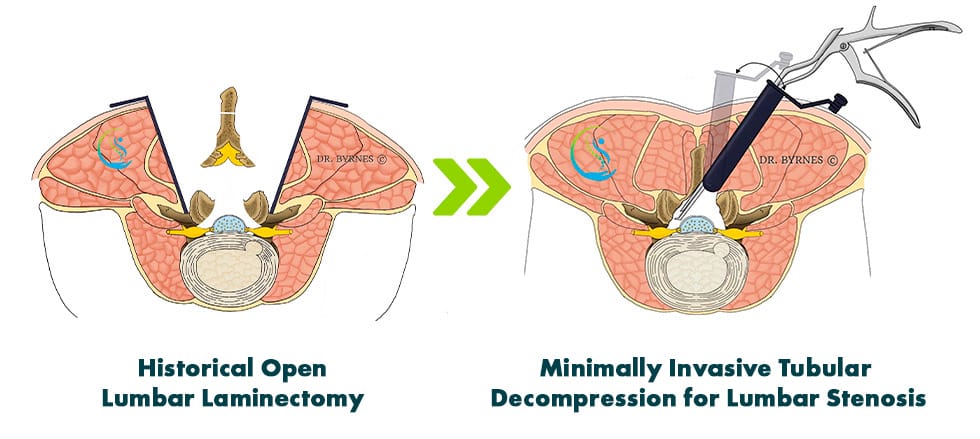
11. Tubular Retractor Systems: Tubular retractor systems enable minimally invasive approaches to spinal procedures, minimizing tissue damage and blood loss. These specialized instruments facilitate smaller incisions and less tissue disruption, resulting in improved patient outcomes.
12. Bone Graft Materials and Biologics, such as Bone Morphogenetic Protein (BMP): Bone graft materials and biologics, like BMP, enhance spinal fusion rates and outcomes, promoting bone growth without the need for harvesting bone from the patient's body. These advanced materials  can offer superior results compared to traditional bone grafts.
13. Neuromonitoring during Spine Surgery: Neuromonitoring during spine surgery helps detect potential nerve damage, reducing the risk of complications. This technology allows surgeons to make real-time adjustments during the procedure, ensuring patient safety and better outcomes.
14. Telemedicine and Remote Consultation for Spine Surgery: Telemedicine and remote consultation for spine surgery expand access to specialized care for patients in remote or underserved areas. This technology allows patients to receive expert advice and care without the need for extensive travel, improving access to high-quality spinal care.


Conclusion: The recent advances in spinal surgery have ushered in a new era of patient care, marked by improved outcomes, reduced complications, and faster recovery times. From minimally invasive techniques and advanced imaging technologies to cutting-edge devices and materials, these innovations have transformed the field of spinal surgery. As we continue to push the boundaries of what is possible, patients can expect even better care and outcomes in the future, thanks to the ongoing advancements in spinal surgical technology.